A laboratory relocation consists of ten interconnected phases: pre-move assessment, laboratory inventory, regulatory review, equipment decommissioning, custom packing and crating, cold chain and sample management, transportation and logistics, receiving and installation, calibration and validation, and post-move support. Read More
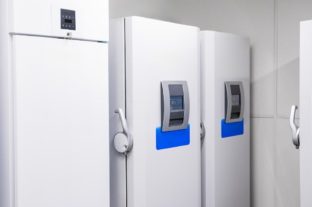
Every lab manager moving a ULT freezer faces the same choice, whether anyone frames it that way or not: pack the unit in dry ice and hope the clock doesn’t run out on you or keep it plugged in and powered the entire way. Which option is cheaper isn’t the real question. Read More
A ULT freezer isn't furniture. It's a life-support system for research that can't be reordered, cell lines, biobank specimens and reagents years in the making. Treating the freezer and its contents as one single continuous cold chain, from the moment you unplug it to the moment it's running again at destination, is of the utmost importance.
You don't get a second attempt if it goes wrong. Read More
Laboratory relocation cost depends on the equipment you're moving and how sensitive it is, plus the distance involved. A single academic lab moving across one city has very different requirements than a multi-floor pharmaceutical facility crossing a border. The specific ranges for each scenario are broken down in the section below. Read More
This guide, designed by Armstrong Scientific Transport, walks through the temperature tiers, the continuity requirements and the transport methods that separate a controlled relocation from a risky one. Read More
If you were just told your lab is relocating and you have no idea where to start, you're not alone, and you're not behind. Choosing the right partner is a compliance decision as much as a logistics one and most research administrators are never trained for it. Read More
Cold chain logistics is the end-to-end process of transporting and storing temperature-sensitive products within a controlled, unbroken temperature range from origin to destination. Read More
Relocating a laboratory is no ordinary move. Laboratories house highly specialized equipment, hazardous materials, and delicate specimens, all of which require meticulous planning and execution to ensure a safe and seamless transition. Without proper preparation, lab relocations can lead to downtime, damaged equipment, regulatory violations, and lost research data. Read More
When it comes to transferring specimens between facilities, precision, safety, and reliability are paramount. As a trusted lab transport company, Armstrong Scientific specializes in laboratory transportation services designed to meet the unique needs of scientific and medical institutions. Read More
Relocating a laboratory is no small feat, and the safe transportation of chemicals is one of the most critical aspects of the process. From complying with regulations to ensuring proper packaging, every detail matters to prevent risks during transit. Read More